Petroleum products such as petrol, diesel, and liquefied petroleum gas (LPG) are the backbone of Pakistan’s economy. These fuels are essential for transportation, industry, agriculture, and household energy needs. In 2026, Pakistan is facing a sharp rise in fuel prices, causing widespread concern among citizens. The situation has worsened due to global geopolitical tensions, especially the ongoing Iran–America conflict, which has disrupted oil supply worldwide.
What Are Petroleum Products?
Petroleum products are derived from crude oil and refined into usable fuels. The most commonly used petroleum products in Pakistan include:
- Petrol (Motor Spirit)
- High-Speed Diesel (HSD)
- Kerosene Oil
- Liquefied Petroleum Gas (LPG)
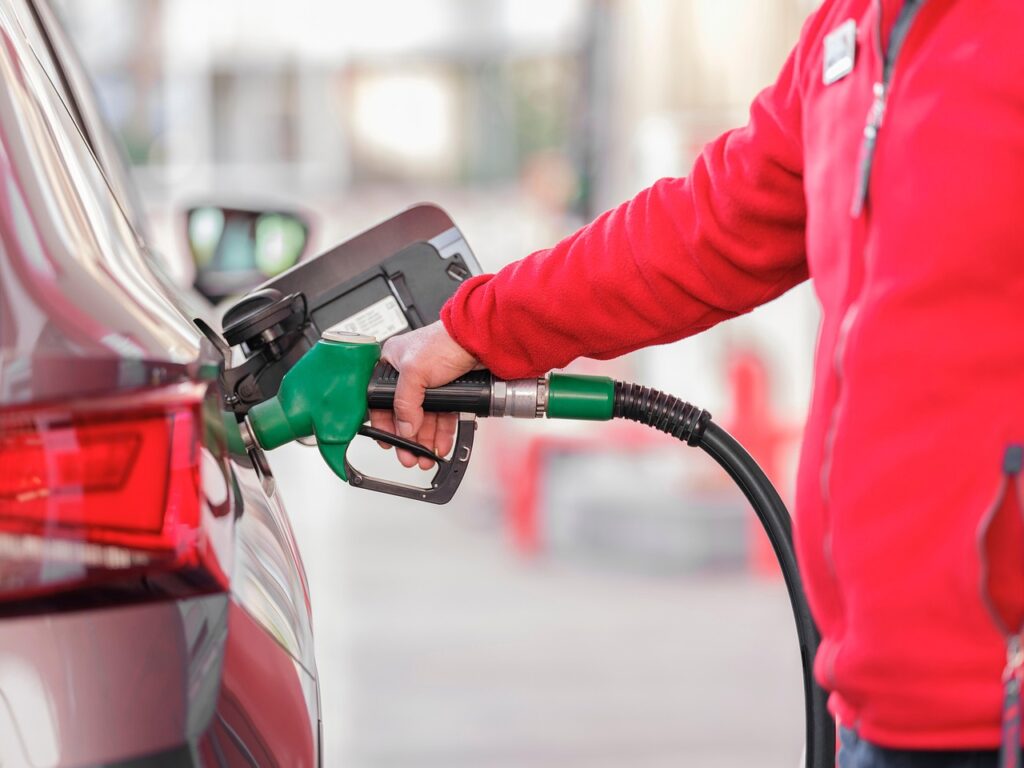
Petrol is mainly used in cars and motorcycles, while diesel powers heavy vehicles, machinery, and agricultural equipment. LPG and kerosene are widely used in rural and urban households for cooking and heating.
Current Fuel Prices in Pakistan (2026)
Fuel prices in Pakistan have seen extreme fluctuations in 2026. Petrol prices have crossed Rs. 450 per liter, while diesel prices have surged beyond Rs. 500 per liter in recent months.
These record-breaking prices have created financial pressure on households, businesses, and industries. Frequent price revisions by the government reflect instability in global oil markets and Pakistan’s reliance on imported fuel.
Key Reasons Behind Rising Petroleum Prices
1. Heavy Dependence on Oil Imports
Pakistan imports the majority of its crude oil from Middle Eastern countries. This dependency makes the country highly vulnerable to international price changes.
2. Currency Devaluation
The weakening Pakistani Rupee against the US Dollar increases the cost of importing petroleum products, leading to higher domestic fuel prices.
3. Government Taxes and Levies
Petroleum levy, sales tax, and other government charges significantly increase the final price of fuel for consumers.
4. Global Oil Market Instability
International oil prices fluctuate due to supply-demand changes, geopolitical tensions, and production decisions by oil-producing countries.
Impact of Iran–America War on Petroleum Prices
The ongoing Iran–America conflict in 2026 has played a major role in increasing global oil prices, directly affecting Pakistan.
Disruption of Oil Supply Routes
The conflict has raised serious concerns about the security of the Strait of Hormuz, a critical oil transit route through which nearly 20% of the world’s oil supply passes. Any disruption in this route leads to immediate increases in global oil prices.
Surge in International Oil Prices
Due to rising tensions, global crude oil prices have surged significantly, crossing $100 per barrel. Even the fear of supply disruption has added a “risk premium” to oil prices.
Direct Impact on Pakistan
As Pakistan relies heavily on imported oil:
- Fuel prices increase immediately
- Import bills rise sharply
- Pressure on foreign exchange reserves increases
Every increase in global oil prices puts additional strain on Pakistan’s already fragile economy.
Inflation and Cost of Living Crisis
The war has triggered inflation across multiple sectors:
- Transport fares have increased
- Food prices have surged
- Electricity and gas costs have risen
This has made life more difficult, especially for middle- and low-income groups.
Economic Impact of Rising Fuel Prices
1. Inflation
Fuel price hikes increase transportation and production costs, leading to higher prices of goods and services.
2. Burden on Citizens
Daily commuters, laborers, and small business owners are the most affected by rising fuel costs.
3. Industrial Challenges
Industries face higher operating costs, which reduces productivity and slows economic growth.
4. Agriculture Sector Pressure
Farmers depend on diesel for machinery and irrigation. Rising fuel prices increase farming costs and contribute to higher food prices.
Government Response and Policies
The government of Pakistan reviews fuel prices regularly and sometimes provides subsidies to control inflation. Measures include:
- Adjusting petroleum levies
- Providing limited subsidies
- Controlling price hikes through policy decisions
However, due to financial constraints, the government often passes the burden of rising global oil prices onto consumers.
Future Outlook
The future of petroleum prices in Pakistan depends on several factors:
- Stability in the Middle East
- Global oil supply conditions
- Exchange rate of the Pakistani Rupee
- Government energy policies
To reduce dependency on imported fuel, Pakistan must invest in renewable energy sources such as solar, wind, and hydropower.
Conclusion
Petroleum products are essential for Pakistan’s economy, but rising fuel prices in 2026 have created serious economic challenges. The Iran–America conflict has further worsened the situation by disrupting global oil supply and increasing prices. As a result, inflation has surged, and the cost of living has increased significantly.
To overcome these challenges, Pakistan must focus on long-term energy solutions, reduce reliance on imported oil, and promote alternative energy sources. Without such measures, global conflicts will continue to directly impact fuel prices and economic stability in Pakistan.